Pet Poison Prevention
If you’ve ever caught your dog chewing something they shouldn’t or your cat knocking things off the counter just to investigate, you’re not alone. Pets are naturally curious, a trait that can either make them TikTok-famous or land them in the veterinary emergency room. Many pet poison emergencies can be prevented with a little awareness and a few simple household changes.
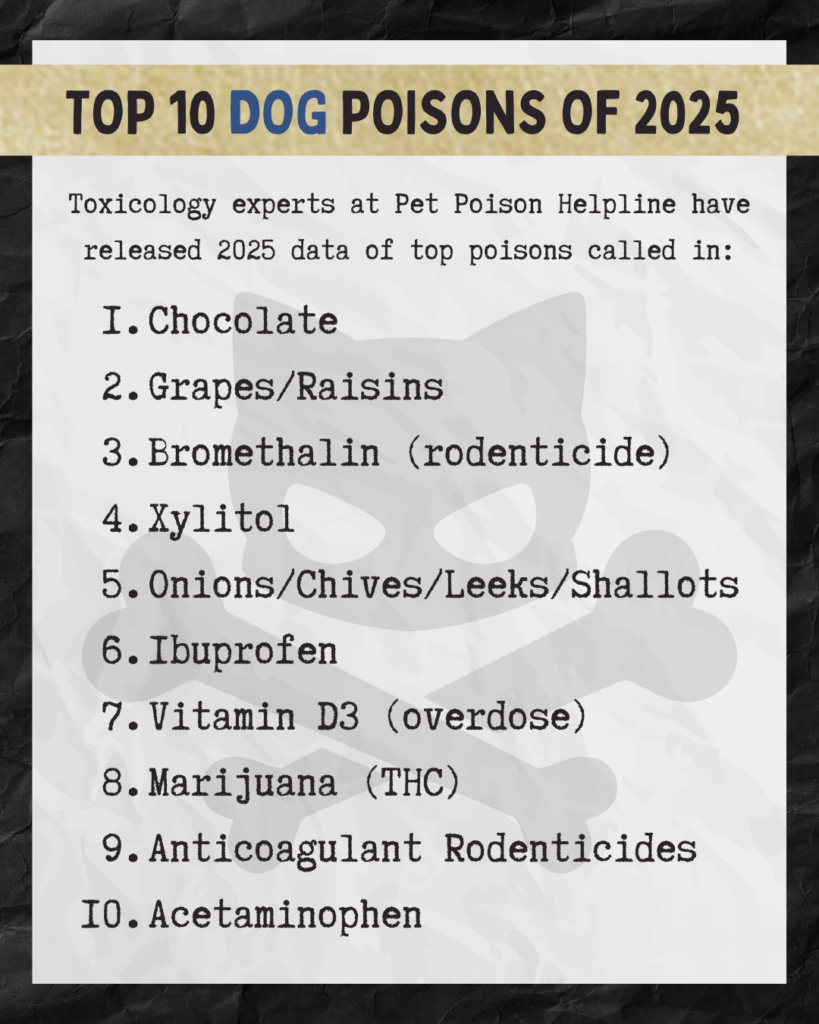
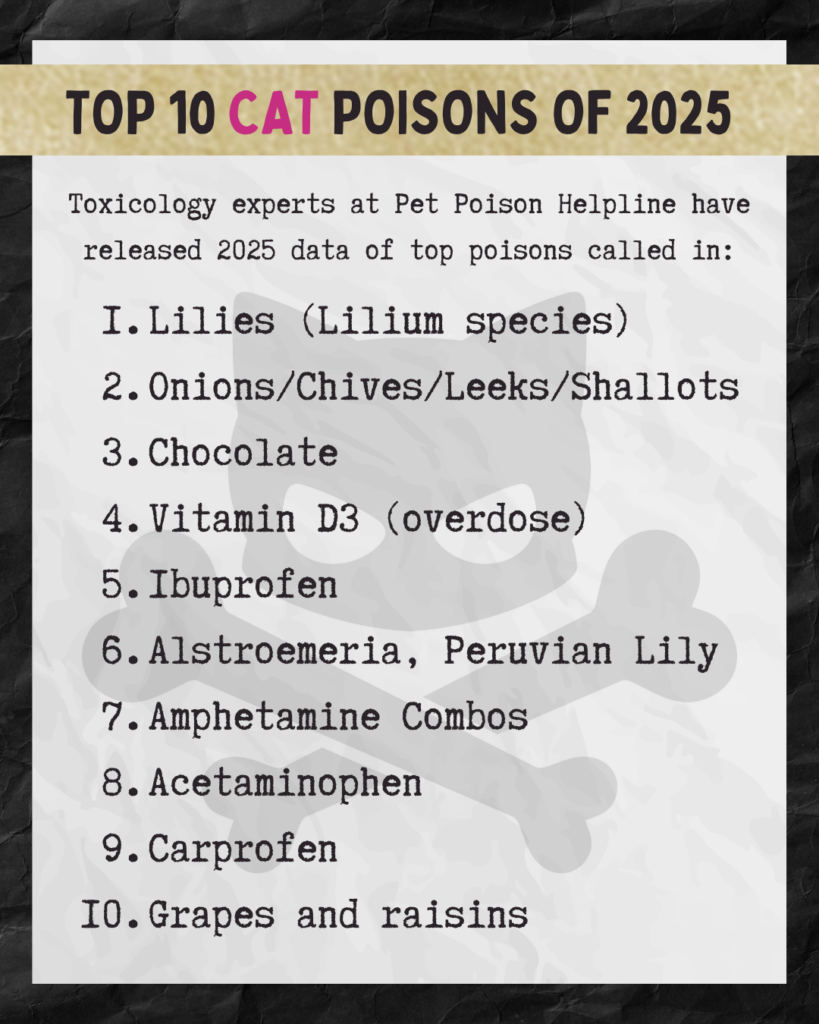
The Pet Poison Helpline recently released its 2025 update, highlighting the substances most often reported to its call center. Some familiar hazards stayed on the list, while a few new villains entered the chat. It’s important to remember that the most reported items are not always the most toxic. Some substances can do far more damage to pets than others. So if you suspect your pet has ingested something harmful, the Pet Poison Helpline can be lifesaving. This 24/7 service charges an $89 incident fee and provides advice for pet owners and veterinarians dealing with potentially poisoned animals. The helpline is triple-licensed and staffed with specialists in multiple veterinary fields, including board-certified toxicologists. They maintain a large database of household and commercial products, assess the risk to your pet, provide home treatment guidance, or recommend an emergency veterinary visit. They also follow up with veterinarians to ensure pets receive the best care. The helpline is available in North America at 800-213-6680, and more information, including a chat feature, is available online at www.petpoisonhelpline.com.
So what’s changed for the 2025 report?
Chocolate and grapes remain common hazards because pets are naturally attracted to them, and backyard rodent poisons still show up in calls. Xylitol, the sugar substitute found in sugar-free foods, is also a frequent concern.
Onions and related allium vegetables like garlic, leeks, and shallots climbed the exposure ranks rapidly. These foods can damage red blood cells and lead to anemia. Be mindful of what’s in your kitchen, garden, and even scraps on your plate or in the trash.
Acetaminophen appeared on the most-reported list in 2025 for the first time. Experts link this to increased cold and flu medicine use during the 2024–2025 season, which left more medications accessible to pets. Acetaminophen is especially dangerous for cats because their livers cannot process it effectively, making them far more vulnerable than most other animals.
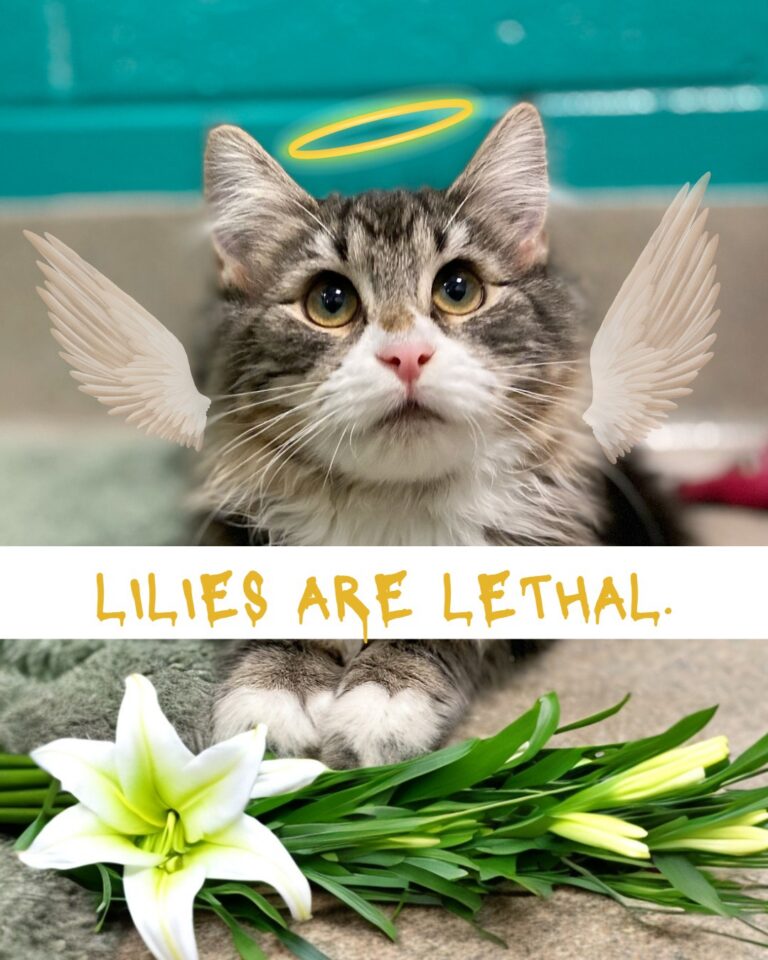
Lilies are another serious risk for cats, particularly around Easter. Every part of the plant, including petals, leaves, stems, and pollen, is toxic. Even a small taste can lead to kidney failure. There is no antidote, so immediate veterinary care is critical. Quick action can mean the difference between recovery and tragedy.
A few simple precautions go a long way. Keep medications and supplements stored securely, and be mindful of health supplements, essential oils, cleaning products, and cosmetics, which can all tempt pets. If you suspect your pet has ingested something toxic, contact your veterinarian or an emergency clinic right away.